





About us
Technical service for fitness equipment — on site in Luxembourg
Gym Service Luxembourg is a technical service company. We do not sell equipment and we do not run a studio. We keep machines working — and we say clearly when a machine is no longer worth keeping.
- Specialised in fitness and training equipment
- Mechanics and electronics from the same technician
- Commercial, institutional and private customers
The company
Who we are
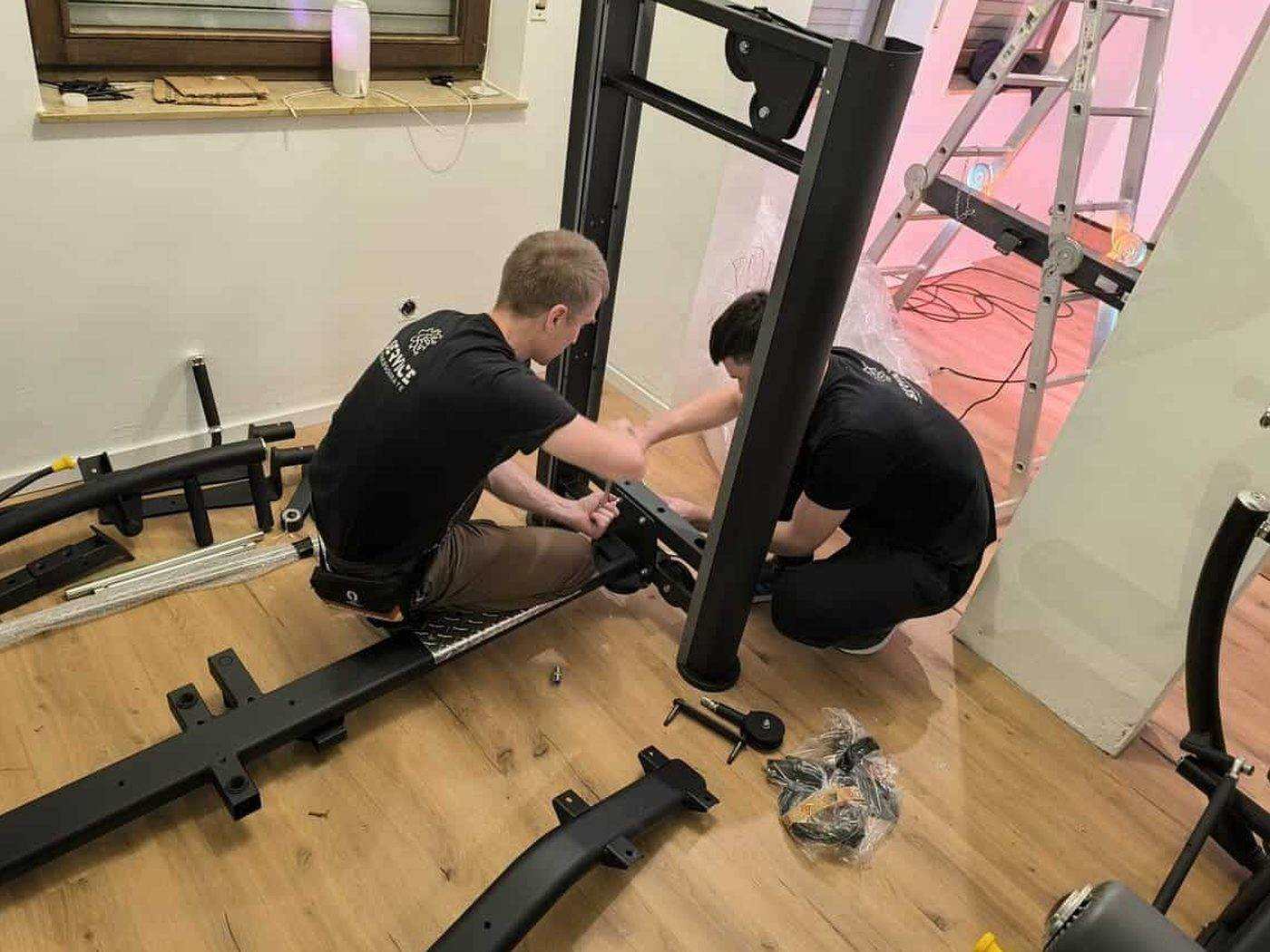
Gym Service Luxembourg is a technical service company for fitness and training equipment. Our field is a narrow one and we keep it that way: repair, preventive maintenance, installation and assembly, disassembly and relocation, and technical inspection — nothing else.
The name says exactly what we do: a fitness equipment service for Luxembourg. The Grand Duchy is not a side market for us — it is the territory this company was set up to serve, and our service days are planned around it.
Cross-border service as everyday practice
The Westerwald, the Moselle region, Luxembourg, eastern Belgium and eastern France form a single working area for a technical service provider. Crossing a border to reach a machine is normal here, and organising a service day that covers several appointments in another country is a routine part of the planning rather than an exception.
For customers in Luxembourg that has one concrete effect: a service visit is not a special expedition. It is a scheduled day in a region we work in regularly — which is what makes it economically sensible to come for a single machine as well as for a whole floor.
How we work
Diagnosis before parts
The fastest way to make a fitness machine work again is often not the best one. Replacing the component that is easiest to reach will sometimes make a symptom disappear for a few weeks — and then the same fault comes back, with the original cause untouched and a part unnecessarily consumed.
Our approach is deliberately slower at the beginning. We reproduce the fault under realistic load, isolate the subsystem responsible and confirm the cause before anything is dismantled. Only then do we decide what has to be replaced, repaired, re-tensioned or readjusted.
That is also why we ask for so much information in advance. A photo of the type plate, a short video with sound and a precise description of when the problem occurs frequently identify the affected assembly before the technician has left the workshop — which means the right part is already in the vehicle.
- Verify the fault instead of trusting the description
- Isolate the subsystem before opening the machine
- Replace what is worn, not what is convenient
- Test under load before handover
- Say clearly when a repair is not worthwhile

Repair mentality
A machine that can be repaired should be repaired
Commercial fitness equipment is built to last far longer than it usually does. Frames, drive systems and load-bearing structures often outlive the parts that fail around them — running belts, decks, rollers, bearings, cables, upholstery and electronics are wear items, and wear items are meant to be replaced.
We take that seriously for three reasons. It is usually cheaper for the customer. It keeps functioning equipment out of the scrap container. And it is technically the more interesting work: repairing a fifteen-year-old strength machine so that it runs like new demands more than ordering a replacement.
The limit is honesty. Where the frame is damaged, where discontinued electronics cannot be sourced, or where the cost of parts and labour approaches the value of the machine, we say so — and, if you want, we help with the disassembly and with installing whatever replaces it.
- Wear parts replaced rather than machines discarded
- Refurbishment of older but structurally sound equipment
- Repair feasibility assessed before work starts
- Clear recommendation when replacement is the better option

What we bring
Specialisation, structure and range
Equipment specialisation
Fitness equipment is our subject, not a side line.
- Cardio equipment of all common types
- Selectorized and plate-loaded strength machines
- Cable stations and multifunctional units
- Rehabilitation and therapy equipment
- Mechanical and electronically controlled machines
- Commercial and consumer equipment
Structured working method
The same sequence on every machine.
- Fault verification under load
- Systematic narrowing down of the cause
- Assessment of wear and repair feasibility
- Repair, adjustment and re-tensioning
- Function and safety test
- Findings and recommendations in writing
One provider, six services
Nothing falls between responsibilities.
- Repair of acute faults
- Preventive maintenance
- Installation and commissioning
- Disassembly and relocation
- Technical inspection
- Upholstery restoration
- Parts, refurbishment and consulting
Why it matters
Reliable equipment is not a comfort question
For a studio operator, a machine standing still with a paper sign taped to the console is a visible statement about the whole business. For a hotel, a fitness room that does not work properly is a complaint that appears in a review. For a physiotherapy practice, the equipment is part of a treatment. For a school or a municipality, it is equipment that unsupervised people use.
And in a private home, a treadmill that has become unpleasant to use simply stops being used — which is the most expensive outcome of all for something that cost several thousand euros.
Fitness equipment also carries real forces. Weight stacks, steel cables, drive systems and moving arms are all under load while somebody is holding on to them. Worn cables, loose connections and defective safety devices are exactly the findings that make a regular technical look at the equipment worthwhile — not as a formality, but because the consequences of ignoring them are physical.
- Availability: machines that work when members arrive
- Cost: planned parts instead of emergency repairs
- Service life: equipment that stays usable for years longer
- Safety: wear on load-bearing components caught early

Who we work for
From club floors to living rooms
The equipment is similar; the context is not. A machine in a hotel basement is used by strangers a few times a week, one on a club floor runs all day, and one in a home is somebody personal investment.
Commercial operators
Gyms, fitness and health clubs, boutique and personal training studios, sports centres, sports clubs, equipment dealers and facility management companies.
Institutions and hospitality
Hotels, spas and wellness centres, physiotherapy practices, rehabilitation centres, clinics, schools, universities, municipalities and public-sector organisations.
Companies and private customers
Company fitness rooms and office gyms, residential developments and property managers, retirement residences — and private houses, apartments and home gyms.
Impressions
Our work in Luxembourg
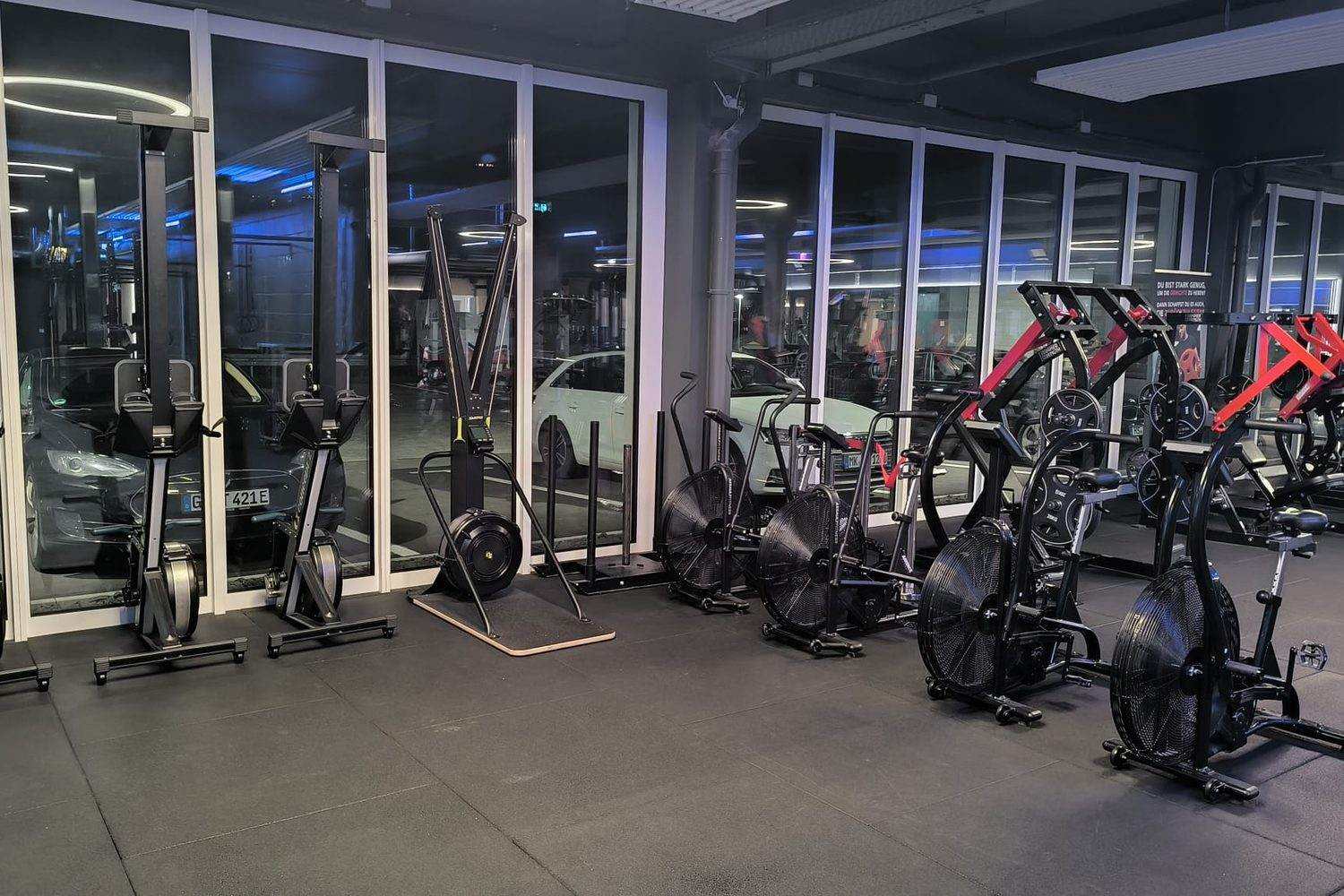
Gyms and clubs 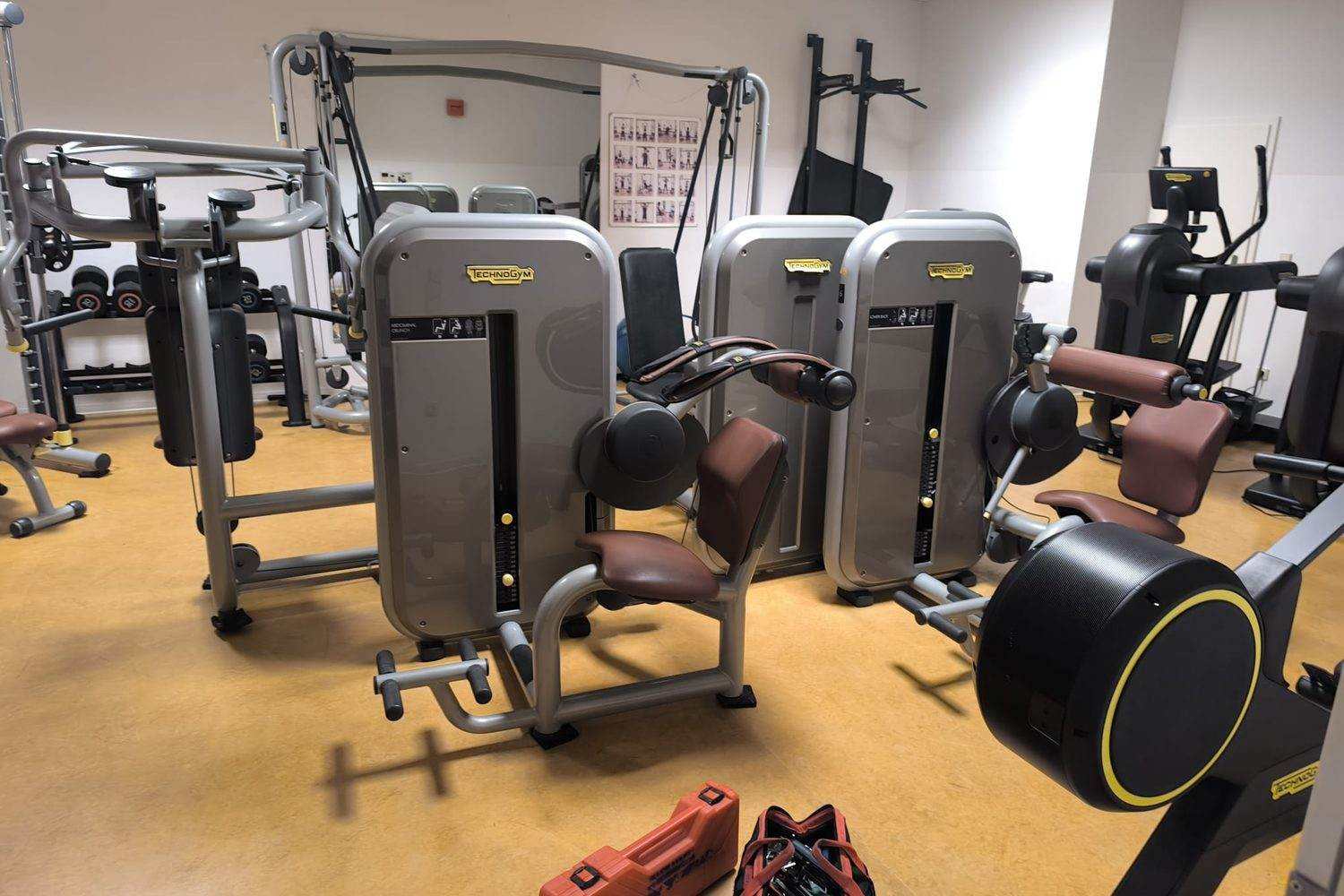
Equipped training rooms 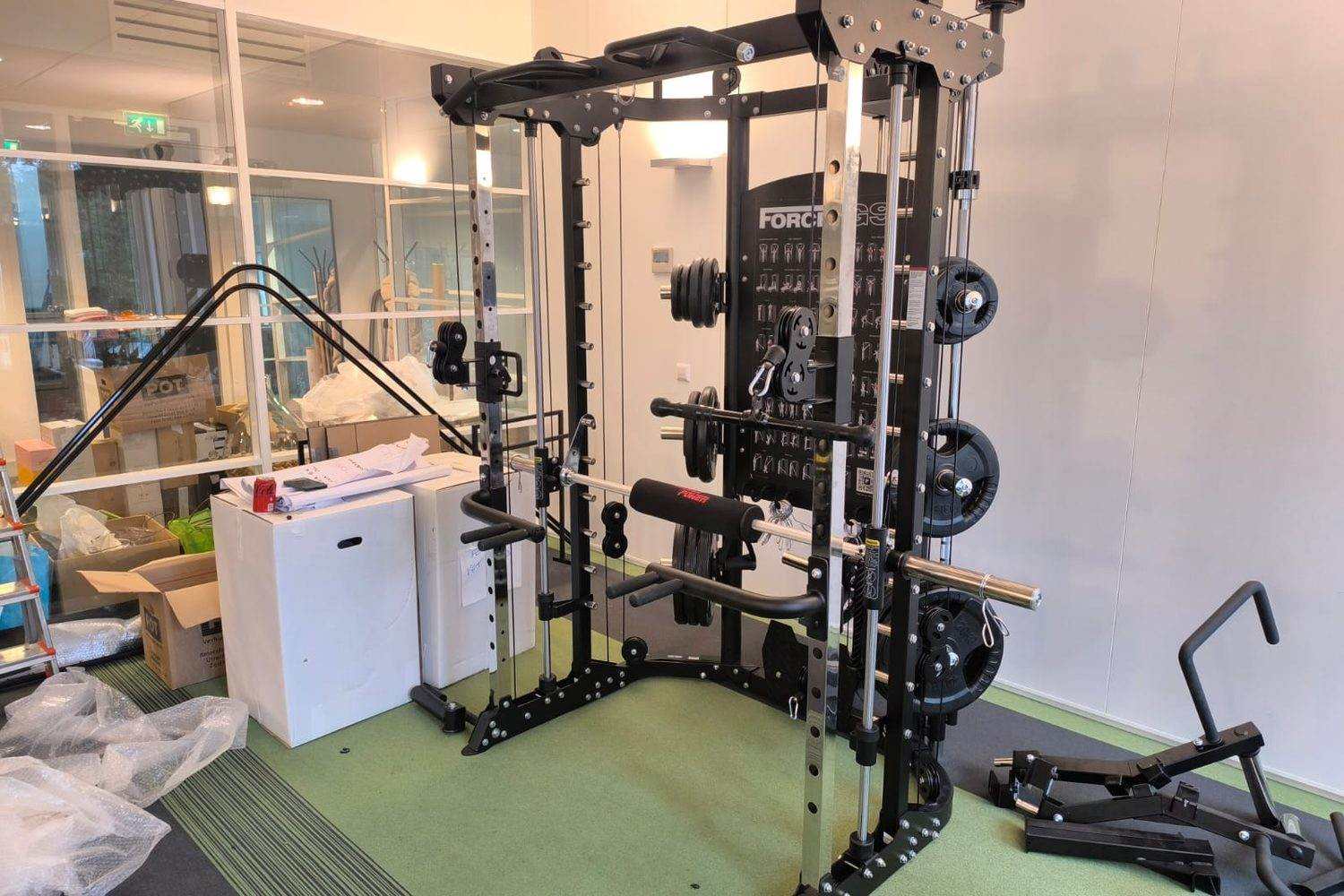
Assembly of new equipment


More on how a job runs, what it costs and where we work is on the home page.