





Who we work for
The same machines, very different demands
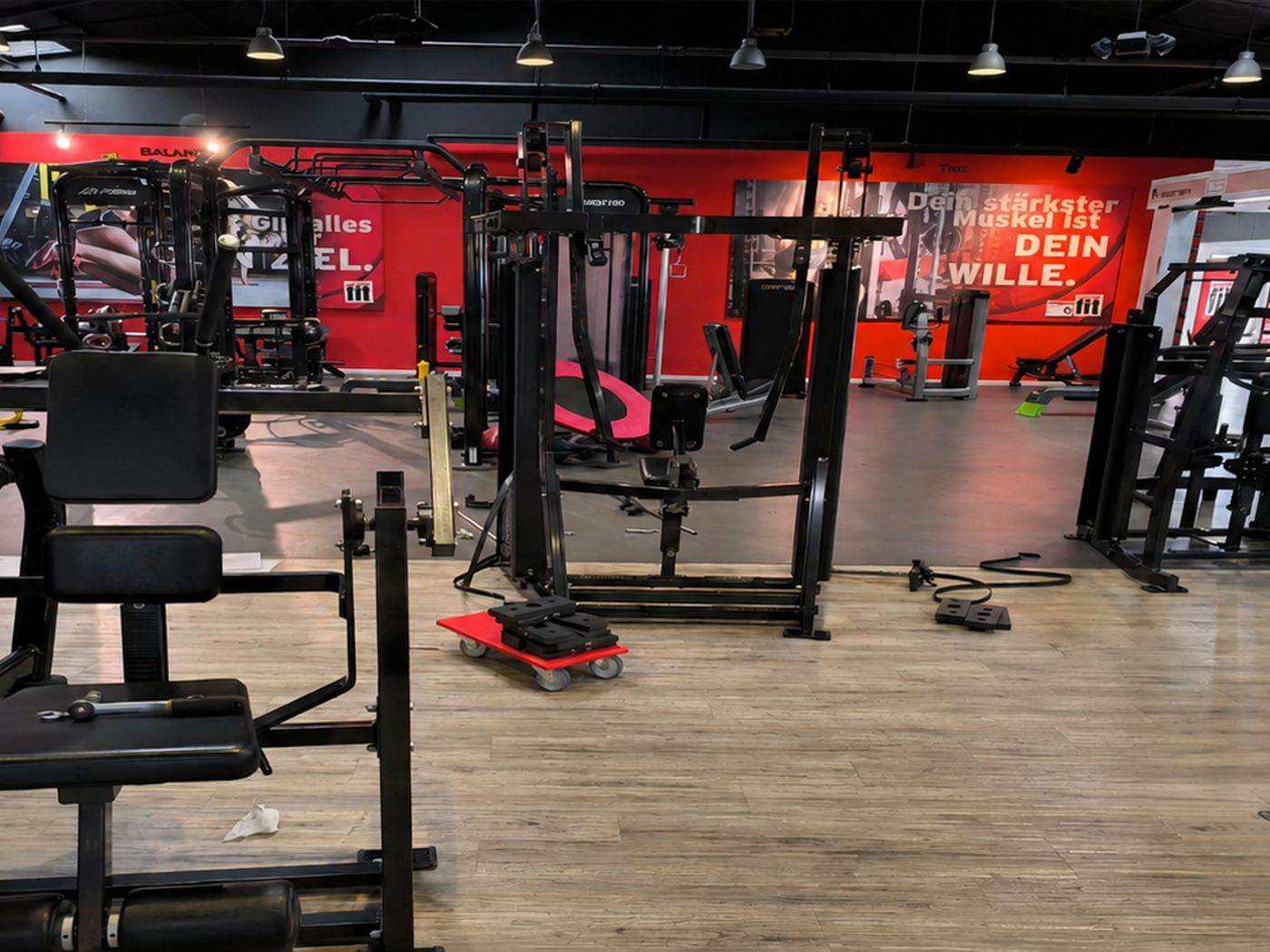
A leg press in a club runs all day. The same machine in a fire station is used hard by a handful of people. In a rehabilitation practice it has to be exact. The equipment is similar — what is expected of it is not.
- Commercial, public-sector and private customers
- Single machines and complete floors
- One-off call-outs or a recurring schedule
Why it matters
Who uses a machine decides how it is serviced
The technical work is the same everywhere: diagnose, repair, adjust, replace what has worn out. What changes from one customer to the next is everything around it — when we are allowed on site, how much downtime is acceptable, who has to sign off the work, what has to be documented afterwards, and how strict the access rules are.
A commercial studio wants the machine working before the evening rush. A public institution needs an appointment that fits a procurement process and an invoice that fits an accounting system. A shift-based service — a fire station, a police building, a barracks — has hours when the training room is genuinely free, and hours when it is not. A private customer simply wants to know whether a fifteen-year-old treadmill is still worth repairing.
None of that changes the spanner work. All of it changes how a service day is planned. That is why we ask about the context, not only about the fault.
What stays the same for everyone
- The fault is diagnosed before parts are ordered
- You are told when a repair is not worth doing
- Work happens on site wherever it can
- Several machines can be handled in one visit
- What was done is written down, not just said
- Commercial and privately owned equipment are treated the same way
Sectors
Sport, hospitality and health
Where equipment is part of what the customer is paying for — and a machine out of service is visible immediately.
Gyms and sports facilities
High usage, long opening hours, members who notice a broken machine the same day.
- Commercial gyms and fitness clubs
- Boutique and personal training studios
- Health clubs and wellness centres
- Sports centres and municipal sports halls
- Sports clubs and associations
- Climbing halls, swimming pools and leisure centres
- Equipment dealers and facility management companies
Hotels and hospitality
Unsupervised rooms used by guests who will not report a fault — they will mention it in a review.
- Hotels and aparthotels
- Spas, wellness and thermal centres
- Holiday residences and serviced apartments
- Campsites and leisure resorts
- Conference and business hotels
- Restaurants and clubs with a guest gym
Health and rehabilitation
Where a machine is part of a treatment, and its settings have to be right rather than roughly right.
- Physiotherapy and osteopathy practices
- Rehabilitation centres
- Clinics and hospital therapy departments
- Sports medicine and performance diagnostics
- Care homes and retirement residences
- Day-care and assisted-living facilities
Sectors
Public sector, education and private customers
Where the training room belongs to an organisation rather than to a business — and the rules around the visit matter as much as the work itself.
Public sector and emergency services
Shift patterns, access control and equipment that has to be available when a shift comes off duty.
- Municipalities and communal facilities
- Public administrations and government bodies
- Police buildings and training rooms
- Fire stations and rescue services
- Civil protection and defence facilities
- Prisons and secured institutions
- Public swimming pools and community sports halls
Education and training
Equipment used by many different people, often with holiday windows that are ideal for maintenance.
- Universities and higher education
- Secondary schools and lycées
- Sports schools and training academies
- Student residences with training rooms
- Driving, police and vocational academies
- Youth centres and school sports halls
Companies, buildings and homes
From a staff gym in an office block to a single treadmill in a basement at home.
- Company fitness and staff training rooms
- Office buildings and business parks
- Residential developments with shared gyms
- Property managers and syndics
- Serviced and co-living buildings
- Private houses, apartments and home gyms
What changes
The six things that differ from sector to sector
These are the questions we ask before the first visit. They decide the schedule, the scope and the paperwork far more than the fault itself does.
- 01
When the room is free
A club has quiet hours, a hotel gym is used at dawn, a fire station between shifts, a school during holidays. We plan around the room, not around our own calendar.
- 02
How much downtime is tolerable
One machine out of thirty is an inconvenience. One machine out of three is a complaint. Where a floor is small, we sequence the work so most of it stays usable.
- 03
Who decides and who signs
A studio owner decides on the spot. A municipality or a public administration needs a quotation, an order number and an invoice that fits their process. Both are normal — they just need different lead times.
- 04
Access and security
Police buildings, prisons and defence facilities have rules about who enters, when, and with what. Tell us the procedure in advance and we work to it instead of discovering it at the door.
- 05
What has to be documented
Some customers want the machine working and nothing more. Others need a written record for their operator obligations, their insurer or an internal quality system. Say which, and the report is written accordingly.
- 06
Repair or replace
A club replacing a machine has a budget cycle. A private owner has one machine and a hard question. In both cases we say honestly when a repair no longer makes economic sense.
Public-sector work
Municipalities, administrations and emergency services
Public bodies do not buy the way a studio does. There is a budget line, an approval, sometimes a formal quotation procedure, and an invoice that has to match a purchase order exactly. None of that is difficult — it just has to be known in advance, because a technician standing in a corridor waiting for an authorisation helps nobody.
The practical side is usually easier than the administrative one. Training rooms in communal buildings, fire stations, police premises and sports halls are often used in bursts, which means there are genuine windows when the room is empty. Those windows are the best time to service everything at once rather than returning for each fault separately.
If your organisation has a framework for external technical services — a fixed quotation format, an approved supplier process, specific insurance or access requirements — send it with the enquiry. We would rather read it first than get it wrong.
- Written quotation before the work starts
- Invoice matched to your order reference
- Appointments planned around shift patterns
- Documented record of what was done per machine
- Several buildings coordinated into one route

Different rooms
The same work in very different places
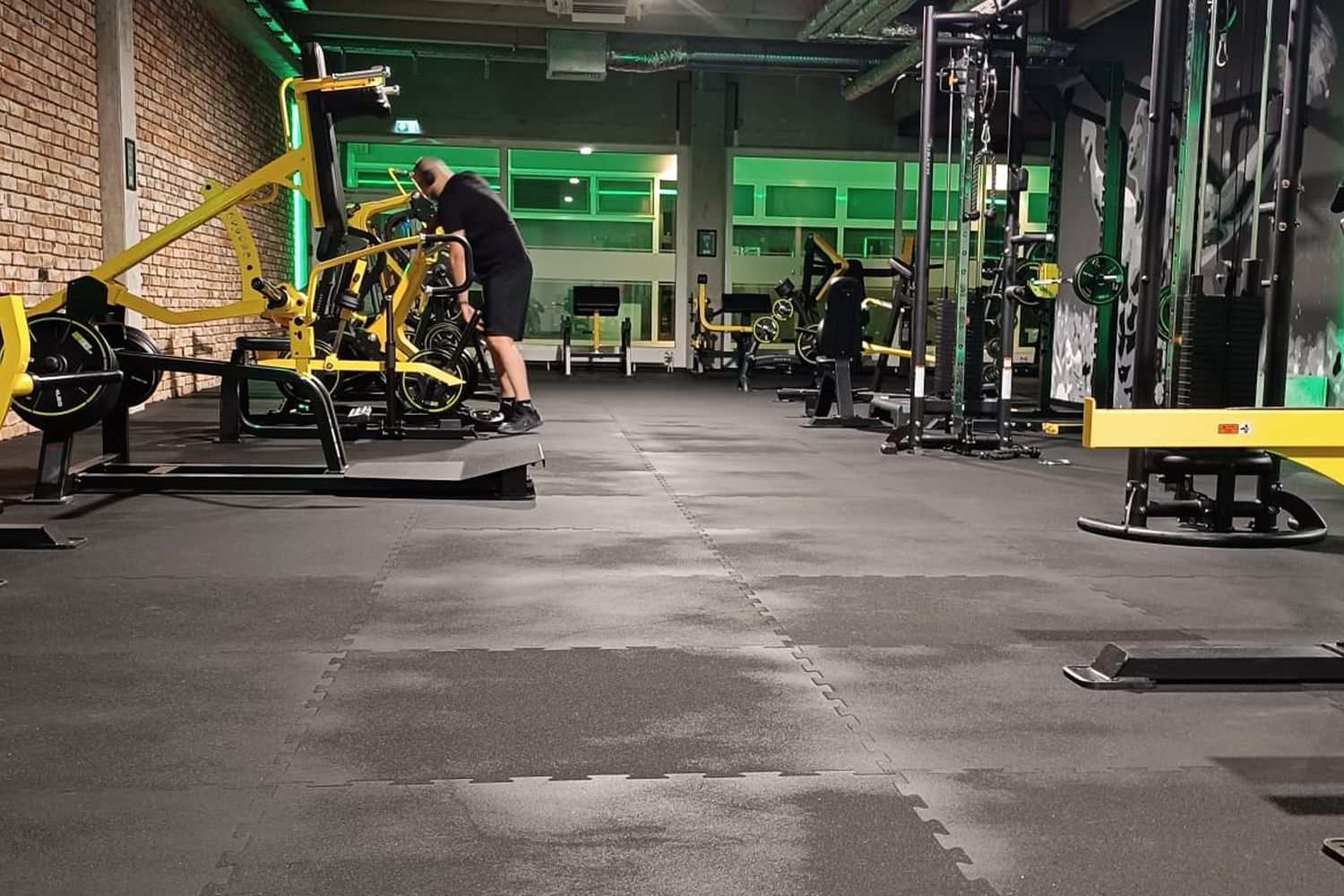
Clubs and sports centres 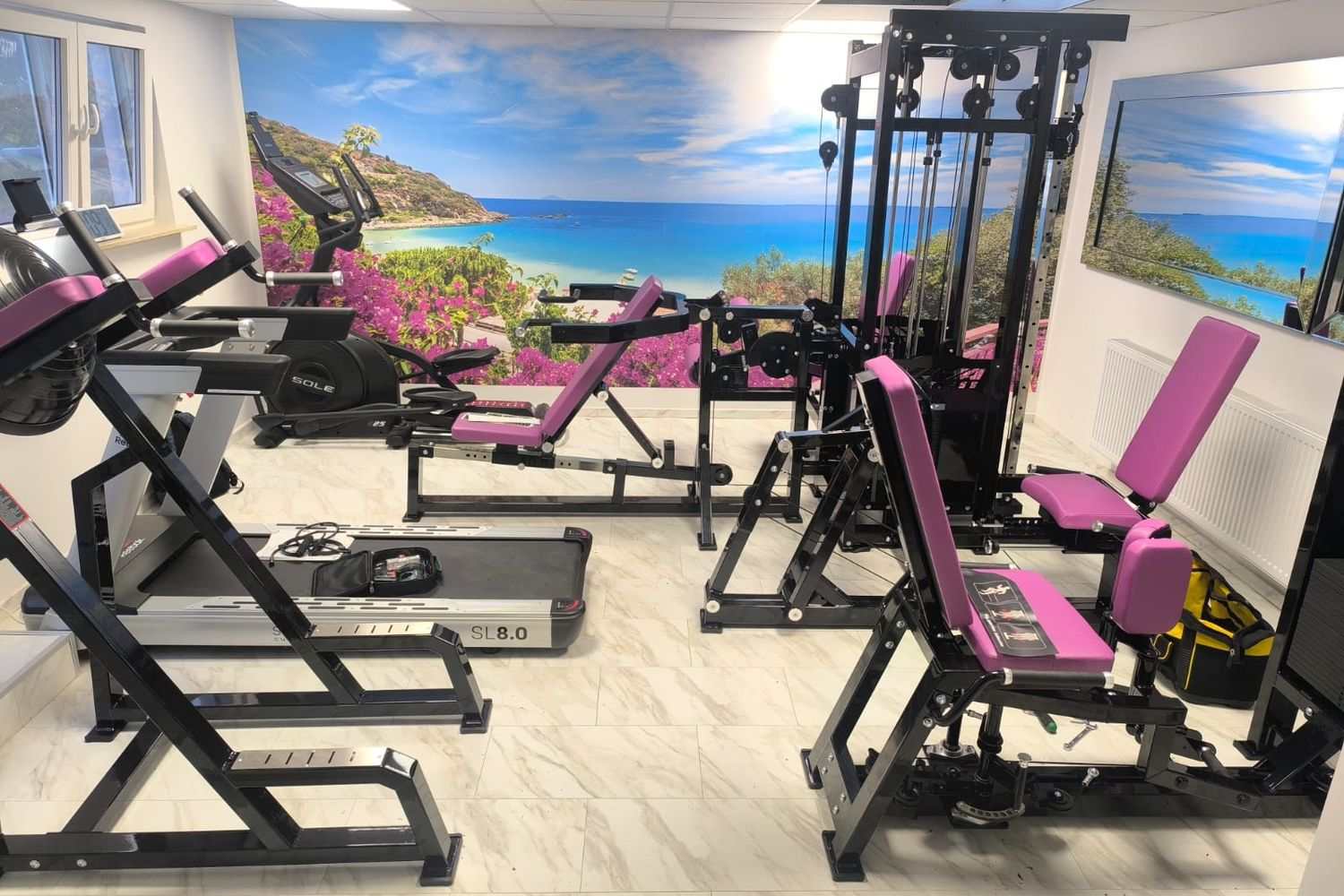
Small studios and training rooms 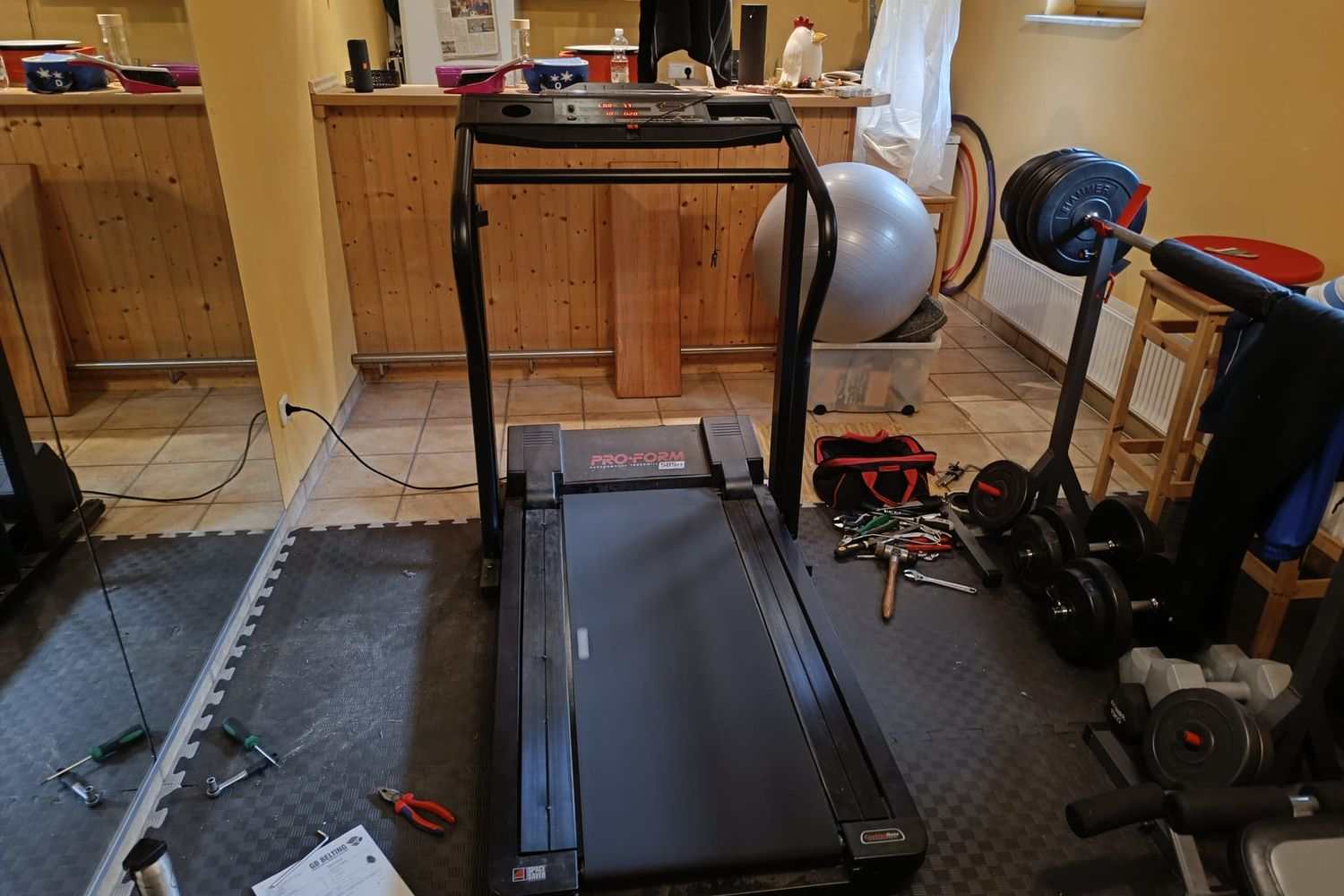
Private households


Questions about working with us
What customers ask before the first visit
Do you only work for commercial customers?
No. Private households are a normal part of the work — a single treadmill, a multi-gym in a basement, a rowing machine that has started to grind. The difference is scale, not treatment.
Can you work with a public authority procurement process?
Yes. Send us the format you need — quotation, order reference, invoice requirements — and we work to it. It only becomes a problem when we find out about it after the work is done.
We have security rules for external technicians. Is that an obstacle?
No, as long as we know them beforehand. Identity checks, escorted access, restricted hours, tool restrictions — all of that is workable when it is part of the planning rather than a surprise on the day.
We have several buildings. Can they be handled together?
Yes, and it is usually the cheapest way to do it. Luxembourg is small enough that several sites can be covered in one or two coordinated days instead of a separate call-out each time. See where we work for how the routes are planned.
Do you work outside normal opening hours?
By arrangement. For studios, hotels and shift-based facilities the useful window is often early morning or late evening, and that can be planned in — it just has to be agreed in advance rather than requested on the day.
Our equipment is second-hand and mixed. Does that matter?
Not really. Mixed inventories are the normal case, especially in municipal facilities, schools and company gyms. If you are unsure what you actually have, a technical inspection is the sensible starting point.
Can you give a reference from a comparable customer?
We do not publish customer names or logos on this site, and we will not invent any. If a reference is genuinely required for your decision, ask us directly and we will tell you honestly what we can and cannot share.